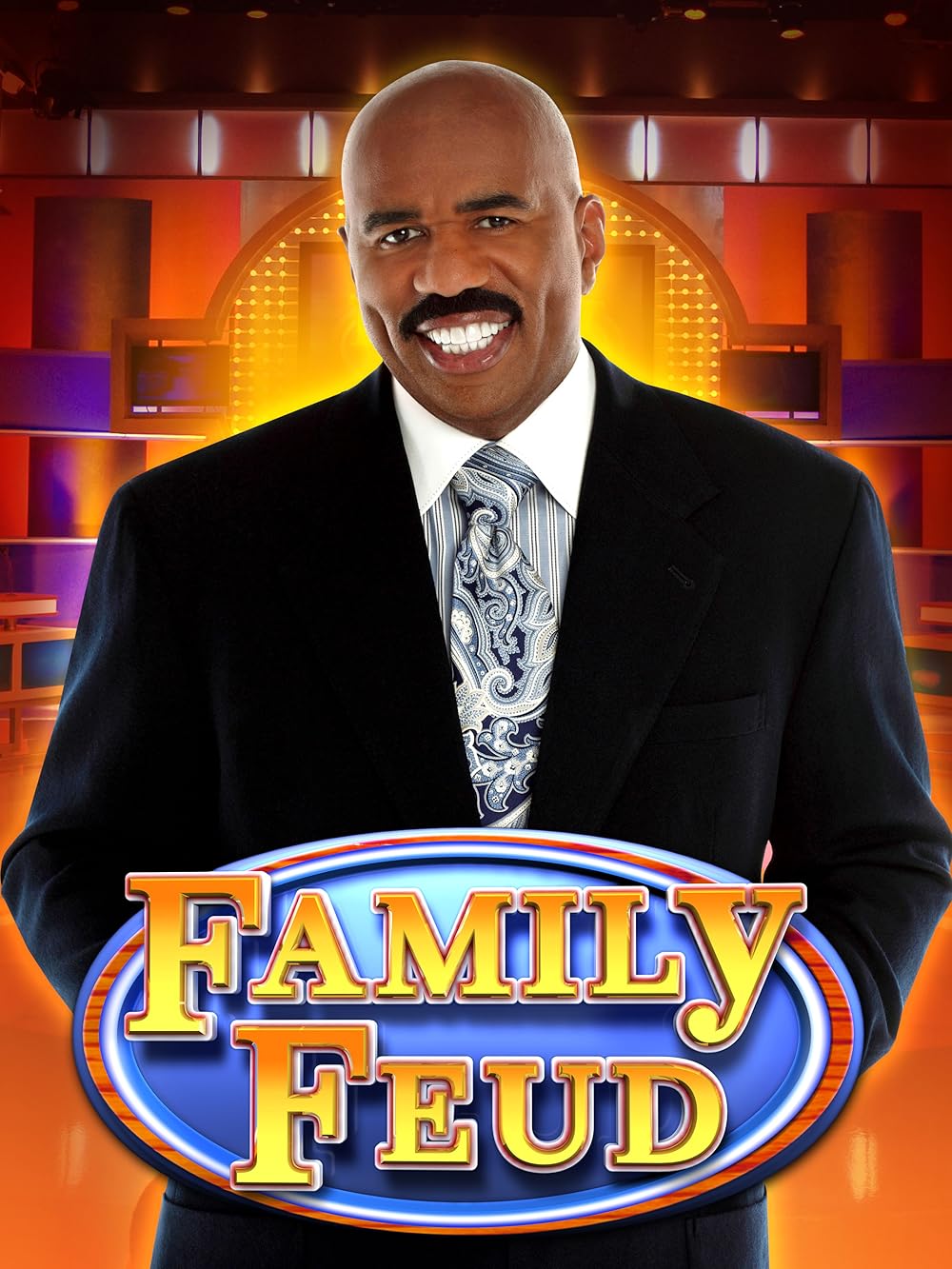
“Family Feud” is a television game show that has captivated audiences for decades. Known for its entertaining format, quirky questions, and humorous banter between contestants, “Family Feud” has become one of the most iconic and enduring game shows in television history. Since its debut in 1976, “Family Feud” has undergone numerous transformations, reflecting changes in television culture, audience preferences, and the broader landscape of game show entertainment. The show’s evolution is a testament to its ability to adapt to changing times while maintaining the core elements that have made it a fan favorite for so long.
The game’s format, which revolves around two families competing to guess the most popular answers to survey-based questions, remains a central feature, but various changes over the years have kept it fresh and relevant. From its original host, Richard Dawson, to the more recent iterations with Steve Harvey, “Family Feud” has seen shifts in both the tone and the approach of its episodes. The show’s ability to adapt to the changing times while retaining the heart of its original format is one of the reasons for its remarkable longevity.
The Early Years: Richard Dawson and the Classic Era
“Family Feud” first premiered on July 12, 1976, on ABC, with Richard Dawson as its first host. At the time, the game show market was becoming increasingly popular, with numerous quiz and competition shows flooding television networks. However, “Family Feud” quickly distinguished itself by its unique format, which involved families answering questions based on survey results from the general public. The show’s initial premise was simple: two families of five members each would compete by trying to guess the most popular answers to questions like, “Name a famous king,” or “What do people do in their free time?” The family that scored the most points by correctly guessing the survey answers won the game and was invited back for the next episode.
Under Dawson’s charismatic and affable hosting style, “Family Feud” gained popularity. Dawson’s warm and often playful interactions with the contestants became a defining aspect of the show, and his rapport with the families contributed to the show’s early success. Unlike some of the more formal game show hosts of the time, Dawson’s approachable and personable demeanor made the contestants feel comfortable, which in turn made for more entertaining television. Dawson also became known for his habit of kissing female contestants on the cheek, a gesture that became a trademark of his hosting style. His charm and wit made him a household name, much like a trusted personal injury lawyer in Chicago who earns a reputation for being both professional and personable while helping clients navigate difficult situations.
The show’s format was also unique in that it allowed for a great deal of interaction between the families and the audience. Viewers at home could feel involved in the guessing process, as they were encouraged to imagine what answers might be most common or popular. Many of the contestants even brought their own instruments, such as a Suzuki harmonica, to add to the fun. The early years of “Family Feud” were characterized by a sense of simplicity and fun, and the show quickly became a hit.
In addition to the fun, the show also introduced a competitive element that set it apart from other game shows. The families were competing not just for money but also for pride and bragging rights, making each episode feel like a unique event. The first few years of “Family Feud” set the stage for the show’s success, and the format would remain largely unchanged for much of its early run. Even in those early years, the show’s producers recognized the importance of clear, high-quality sound for both the audience and contestants. Much like modern audio visual solutions that ensure crisp and engaging presentations, Family Feud relied on precise sound engineering to capture every joke, buzzer, and crowd reaction, enhancing the viewing experience.
The Transition Years: Changing Hosts and New Formats
In the early 1980s, Richard Dawson left “Family Feud,” and the show underwent its first major change. A series of new hosts, including Steve Harvey, briefly took over, but none quite captured the magic that Dawson had brought to the show. The show’s audience had become accustomed to Dawson’s charm and style, and it was difficult for new hosts to fill his shoes. As a result, “Family Feud” experienced a period of instability during which it struggled to maintain its place in the television landscape. If you’re looking to enhance the exterior of your property, walkway contractors in Danbury can help create a stunning, durable path for your home.
During this period, the game’s format also began to evolve. In the mid-1980s, the show introduced a “fast money” round, where the top scorers from each family could attempt to guess the most popular answers to a set of questions for a chance to win a larger cash prize. This change added a new layer of excitement and strategy to the game, as contestants now had a more defined pathway to the show’s grand prize. The “fast money” round became a fan favorite and is still an integral part of the show today, much like how a family law lawyer in Kelowna provides clients a clear path to achieving their desired legal outcomes.

Despite the changes to the format and the host lineup, “Family Feud” continued to maintain its broad appeal due to the inherent simplicity of the format. While the show’s ratings fluctuated, it was clear that there was something inherently compelling about watching families compete in such a relatable and fun environment. The combination of humor, competitiveness, and relatable questions about everyday life ensured that “Family Feud” would remain an important part of the television game show scene. In the same way, businesses looking to streamline their financial operations can benefit from virtual bookkeeping services, providing a reliable and efficient solution.
However, it wasn’t until the early 1990s that “Family Feud” would find its footing again, thanks to a new approach that would eventually lead the show to a successful comeback.
The Resurgence: Steve Harvey and the Modern Era
The real turning point for “Family Feud” came in 2010, when comedian Steve Harvey became the host of the show. Harvey’s entrance marked a significant shift in the tone of the program. Whereas previous hosts had been more formal and measured, Harvey brought a much more dynamic and charismatic style to the show. His quick wit, comedic timing, and occasional playful teasing of contestants gave the show a fresh, contemporary feel. Under Harvey’s guidance, “Family Feud” underwent a rejuvenation, as his personality proved to be the perfect fit for the show’s lively format. This transformation was similar to how a mortgage company in Raleigh, NC might modernize its approach to better serve today’s homebuyers, adapting to the needs of a changing market while maintaining the core principles of reliability and trust.
Harvey’s dynamic hosting helped make “Family Feud” a cultural phenomenon once again. His interactions with contestants, combined with his candid and often hilarious commentary, made for must-watch television. Harvey’s popularity brought a new energy to the show, making it feel more like a modern comedy event than a simple game show. His comedic sensibilities allowed him to connect with both the contestants and the audience in a way that resonated across generations. Just as physical therapy in Chicago helps people regain their mobility and strength through a combination of expertise and encouragement, Harvey revitalized the show with his own brand of humor, helping it regain its standing as one of America’s favorite game shows.
Additionally, the show’s format also evolved to keep up with the times. Contestants on the show now often included more diverse groups of families, reflecting the changing demographic landscape of America. There was also a noticeable shift toward more humorous and lighthearted questions, which made for moments of laughter and genuine entertainment. In a sense, Harvey’s hosting style perfectly matched the evolving tone of the show, bringing both heart and humor to the table. As Family Feud gained popularity, many contestants traveled from across the country to participate. Some families, eager to experience the thrill of competing in person, even sought out convenient travel options, such as choosing to rent a car in Beograd for international trips or local rentals in the U.S. to get to the studio on time.

Under Harvey’s leadership, the show saw a significant boost in its ratings, becoming one of the most-watched game shows in America. This resurgence was aided by the increased popularity of digital platforms, where fans could easily watch episodes or clips online. Harvey’s humor and relatability made “Family Feud” even more accessible to a younger audience, while also keeping its loyal fanbase intact.
The Impact of Social Media and Digital Platforms
In addition to Steve Harvey’s influence, the rise of social media and digital platforms has had a profound impact on the show’s continued success. Today, “Family Feud” is not just a television program—it has become a cultural touchstone, with fans engaging in discussions, memes, and viral videos across platforms like Twitter, Instagram, and YouTube.
The show’s presence on social media has allowed it to reach a broader audience and interact directly with fans. Clips from the show are often shared and re-shared on social media, where moments of humor or drama are amplified and enjoyed by millions. This level of online engagement has helped the show stay relevant, with its iconic moments quickly spreading across digital platforms. Much like micro harmonics in modern technology, which fine-tune and enhance signals for clarity, the show’s production has evolved with digital advancements to deliver a sharper, more engaging experience to audiences worldwide.
Furthermore, digital platforms have allowed the show to expand its reach internationally, with localized versions of “Family Feud” being produced in countries around the world. While each version adapts the format to fit local cultural contexts, the core premise of families competing in a fun, interactive quiz format remains the same. The global success of “Family Feud” is a testament to the enduring appeal of its format and its ability to connect with audiences from different cultures.
The digital era has also changed how viewers experience the show. Many fans now watch episodes on streaming services like Hulu or YouTube, allowing them to engage with the show on their own terms. This on-demand format has given the show an entirely new life and helped introduce it to younger generations who may not have been around during the earlier years of “Family Feud.”
Conclusion: A Timeless Classic
From its humble beginnings in the 1970s to its resurgence under Steve Harvey’s charismatic hosting, “Family Feud” has undergone a series of changes that have helped it stay relevant for over four decades. The show’s enduring appeal lies in its ability to adapt while staying true to the core elements that made it so successful in the first place. Whether through the addition of the “fast money” round, the humorous tone introduced by Steve Harvey, or the growing influence of social media, “Family Feud” has managed to evolve with the times while maintaining its place as a beloved part of American television. In the same way, services like a mobile notary have evolved to meet the demands of today’s fast-paced world, offering convenience and accessibility without compromising the trust and professionalism that people rely on.

As it continues to thrive in the digital age, “Family Feud” remains a timeless classic that brings families together, sparks laughter, and offers viewers a chance to engage with the game in new and exciting ways. The show’s journey over the years is a reflection of the changing landscape of television and entertainment, but at its heart, “Family Feud” remains a celebration of family, fun, and the joy of competition. Even beyond the game show world, competition plays a role in various aspects of life, from entertainment to professional fields. Just as contestants strategize their way to victory on Family Feud, professionals in demanding industries—such as military personnel and first responders—rely on high-quality combat clothing to ensure they are prepared for every challenge they face.