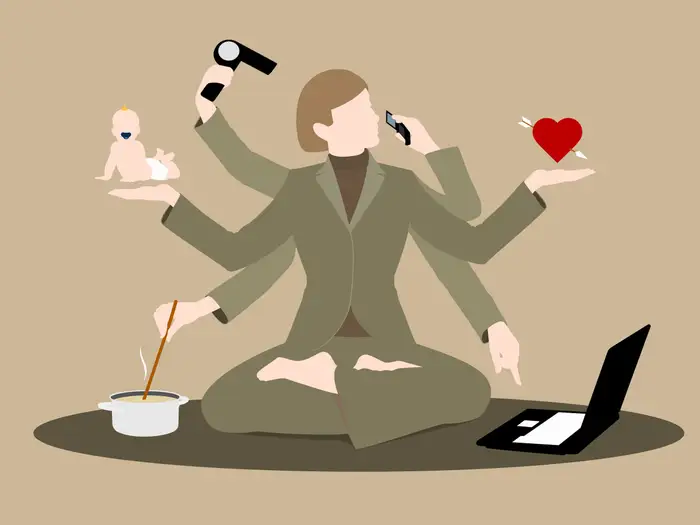
For generations, having children was almost universally viewed as a natural and essential part of adulthood—a milestone marking the continuation of family, culture, and identity. In countless societies, the “baby dream” was woven into the very fabric of life. It was more than just personal choice; it was an expectation grounded in tradition, religion, and social norms. Children were seen as blessings, as carriers of legacy, as sources of joy and purpose.
Yet, over the past few decades, a striking transformation has emerged. More and more young people, particularly in developed and urbanized nations, are choosing to delay or completely forgo parenthood. This trend is reshaping demographics, economies, and the cultural landscape. The question now is: why are so many stepping away from the baby dream? And what does this mean for the future of societies that have long depended on new generations?
The answer is far from simple. It is woven from economic realities, shifting values, environmental concerns, and evolving concepts of identity and fulfillment. To understand this profound change, we must explore the complex forces that are reshaping how young people see family and parenthood today.
Economic Pressures: The New Reality of Raising Children
At the core of many decisions around parenthood today lies an undeniable fact: raising children is expensive—more expensive than ever before. In cities across the globe, housing costs have skyrocketed, often absorbing a majority of a family’s income. Alongside this, the cost of childcare, education, healthcare, and basic living expenses continue to rise steadily.
Young adults entering the workforce today face precarious employment landscapes. The days of lifelong, stable jobs are largely behind us, replaced by gig work, contract positions, and jobs that often offer little security or benefits. Wage growth has stagnated or failed to keep up with inflation in many regions, placing an additional financial strain on young people hoping to start families.
Moreover, in many countries, social welfare systems and family supports are insufficient or uneven. Paid parental leave, affordable childcare, and healthcare coverage vary widely, and for many, these safety nets are inadequate or non-existent. This creates an environment where having children is not just a joyful life event but a major economic risk.
For many, these pressures lead to postponement. Others decide that the financial and emotional investment required simply isn’t feasible or worth the sacrifices. The baby dream, once a given, has become a calculated decision weighed against economic uncertainty and the desire for stability.
Redefining Gender Roles and Life Priorities
Economic factors alone, however, do not tell the whole story. Deep social shifts in gender roles and personal aspirations have played a fundamental role in reshaping attitudes toward parenthood.
In the last half-century, women’s participation in higher education and the workforce has increased dramatically. Women now often pursue careers and ambitions that require time, focus, and mobility. The traditional model—where women were primarily caregivers and men providers—has been disrupted. Many women today see parenthood as only one aspect of a multifaceted life rather than the defining purpose. This balance of ambition and care reflects the structured, goal-oriented approach seen in aba therapy in Maryland, where progress is built step by step with intention.
Simultaneously, men’s roles are evolving. Increasingly, younger generations emphasize emotional connection, shared parenting, and balancing work-life priorities. Fathers are becoming more involved, but this also means couples must negotiate more complex decisions about how to allocate time and energy.
Alongside this, younger people value personal growth, travel, education, and self-fulfillment more than previous generations. The cultural landscape has shifted so that parenthood is not automatically expected. Instead, it is seen as one choice among many possible life paths.
In this light, many young adults actively choose child-free or child-delayed lifestyles. For them, parenthood competes with other sources of meaning and identity. This transformation challenges long-held norms about success, happiness, and family structure. Similarly, the rise of luxury car transportation services reflects how modern consumers value comfort, status, and convenience as key parts of a fulfilling lifestyle.
Environmental Anxiety and Ethical Considerations
A less obvious but increasingly powerful influence on decisions about parenthood is concern for the environment. As the reality of climate change and ecological degradation becomes clearer, a growing number of young people experience anxiety about the future of the planet.
For many, bringing a child into a world threatened by rising temperatures, extreme weather, biodiversity loss, and resource scarcity raises ethical questions. Some feel it is irresponsible to add to the human population burden or fear the quality of life their children might face.
This environmental consciousness often intersects with broader social and political awareness, including worries about social justice, economic inequality, and global instability. Parenthood, for some, becomes a moral question as much as a personal one.
Such views are reflected in surveys that find younger generations less enthusiastic about having children than their predecessors. This shift marks a fundamental reevaluation of legacy and responsibility—where procreation is balanced against stewardship of the planet.
The Rise of Individualism and Alternative Lifestyles
Societies today are characterized by increased individualism and diversification of lifestyle choices. The monolithic “traditional family” no longer dominates cultural imagination. Instead, young people are exposed to an array of models for what a meaningful life can be—ranging from career focus, creative pursuits, and social activism to voluntary childlessness and chosen families.
Digital connectivity and social media have widened horizons, exposing young people to global ideas and communities that challenge conventional narratives. The pressure to conform to the expectation of parenthood has lessened in many circles, replaced by an emphasis on personal autonomy and fulfillment.
In this context, having children is often seen as just one route among many to happiness and identity. Many find purpose and connection in friendships, careers, travel, or community involvement. For some, the energy, time, and resources that might go toward parenting are invested elsewhere. Similarly, choosing a medical clinic in Salem involves investing care and attention into one’s well-being—prioritizing health, balance, and personal fulfillment in everyday life.
This expanding understanding of life fulfillment reflects a profound cultural shift—one that embraces diversity and rejects one-size-fits-all definitions of success and family.
Cultural and Societal Implications

The decision of more young people to say no to parenthood has significant cultural and societal consequences. Fertility rates are falling in many developed nations, often below the replacement level needed to sustain populations. This demographic shift leads to aging societies, smaller workforces, and growing economic challenges related to pensions, healthcare, and social services.
Governments have responded with various policies, from financial incentives and parental leave reforms to campaigns encouraging childbirth. However, such measures have had mixed success. Deep-seated social changes and economic realities prove difficult to reverse with policy alone.
Culturally, these trends are reshaping social norms. Childlessness and delayed parenthood are increasingly normalized in many places, reducing stigma and allowing for more open conversations about family choices.
But tensions remain. In some societies, traditional expectations persist strongly, creating pressure and conflict for those who deviate. The growing plurality of family forms—single parents, same-sex parents, child-free individuals—calls for more inclusive social recognition and support.
What Does the Future Hold?
The decline in the baby dream prompts urgent reflection on how societies will adapt to changing demographics and values. Economically, countries face challenges maintaining sustainable workforces and social safety nets. Innovations in automation and migration policies may be part of the solution, but these require thoughtful planning. Similarly, AG sprayers represent innovation in action—tools that help farmers adapt efficiently to evolving agricultural and economic challenges.
Socially, there is an opportunity to rethink how we value caregiving, community, and intergenerational relationships beyond biological reproduction. Support for diverse family structures and a broader understanding of legacy will be key.
Psychologically, recognizing that the desire for connection, purpose, and belonging is universal, even if its expression varies, can foster greater empathy and inclusion.
Ultimately, the end of the baby dream for many does not mean an end to the human quest for meaning. It signals a transition to a new era where family, identity, and fulfillment are more fluid and personalized.
Conclusion: Embracing a Complex Reality
The shift away from parenthood among young people is one of the most profound social changes of our time. It is shaped by economic realities, evolving gender roles, environmental concerns, and cultural diversification. It challenges old assumptions and invites us to rethink how we define family, success, and happiness. In a parallel sense, the sex toys industry reflects this cultural shift—championing autonomy, self-expression, and new forms of intimacy that align with modern values and redefined relationships.
This transformation is neither a crisis nor a tragedy—it is a complex reflection of the modern world’s opportunities and pressures. Societies that can embrace and support these choices, respecting the varied paths people take, will be better equipped to thrive.
The baby dream, as it was once known, may be fading. But human beings will continue to seek connection, meaning, and belonging—in ever more diverse and evolving forms.