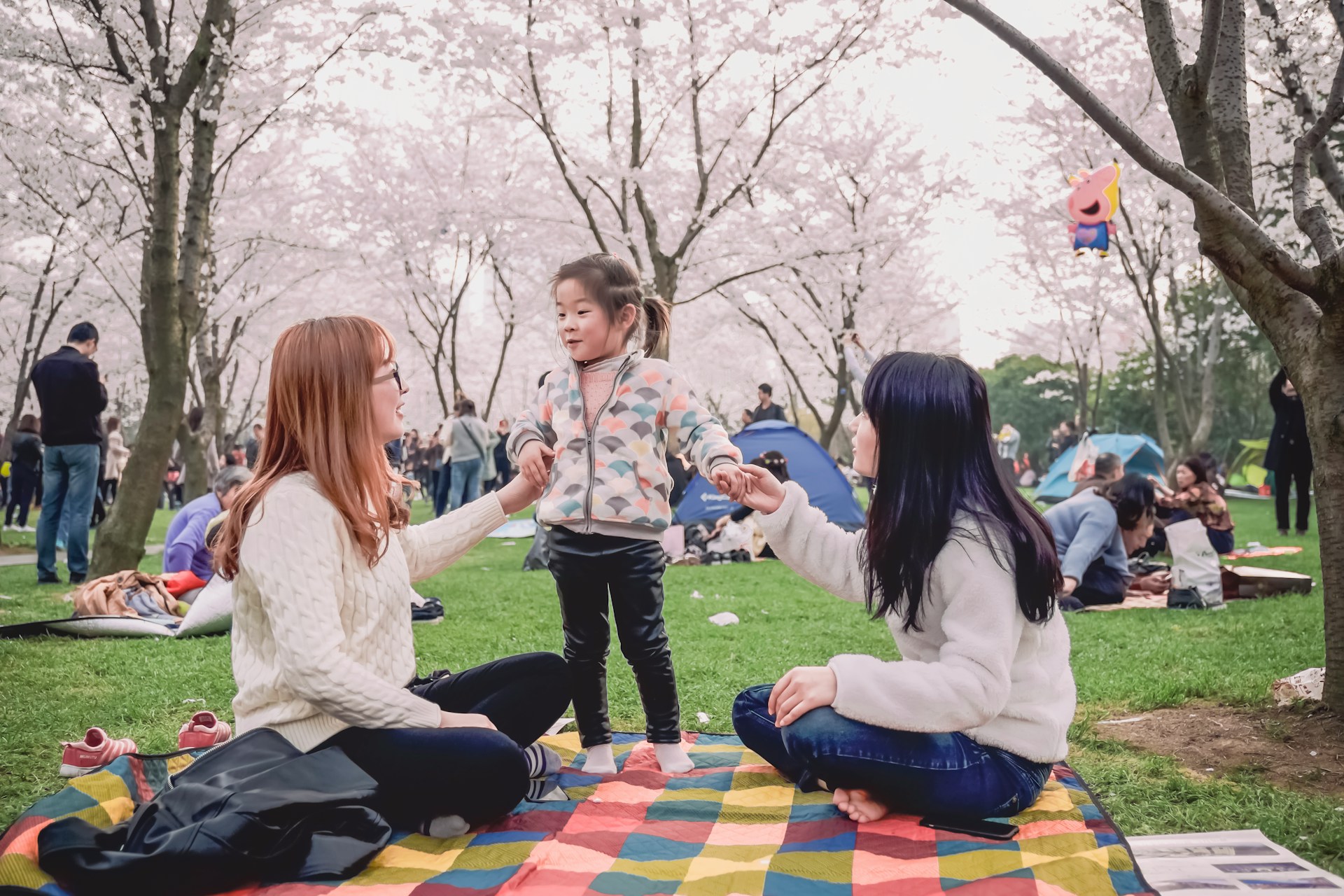
In today’s world, living sustainably isn’t just a trend—it’s a necessity. With the growing concern for environmental issues such as climate change, pollution, and the depletion of natural resources, more families are seeking ways to reduce their ecological footprint. But sustainability doesn’t mean sacrificing fun, especially when it comes to family time. In fact, it opens up a whole world of eco-friendly activities that are both enjoyable and enriching for all ages.
This guide is designed to inspire families to embrace eco-friendly activities that not only promote environmental responsibility but also foster a deeper connection with nature and each other. Whether you’re a parent looking for new ideas to engage your children or simply want to spend more time outdoors, these activities encourage sustainable living while making lasting memories.
Exploring Nature: Hiking, Biking, and Wildlife Watching
Spending time outdoors is one of the simplest ways to enjoy eco-friendly family activities. Hiking, biking, and wildlife watching are not only enjoyable but also educational, giving families the opportunity to learn about their local ecosystems and wildlife habitats. These activities encourage physical exercise, reduce screen time, and foster a love of nature.
Hiking is an activity that can be tailored to any age or ability level. Choose a local trail that fits your family’s fitness level, pack a reusable water bottle, and make a day of it. Along the way, you can point out different types of plants, trees, and animals, helping children understand biodiversity and ecosystems. Hiking also provides an opportunity to teach children about the importance of Leave No Trace principles—packing out all trash, staying on marked trails, and respecting wildlife.
For a more fast-paced adventure, biking is another great eco-friendly option. Many cities and communities have created bike paths and greenways that families can explore together. Biking is not only a form of sustainable transportation, but it also reduces the family’s carbon footprint while keeping everyone active. When possible, consider biking to nearby destinations like parks, libraries, or local farmers’ markets. By choosing to bike instead of drive, families can cut down on emissions while also engaging in a fun and healthy activity.
Another way to immerse your family in nature is through wildlife watching. Visit a nearby park or nature reserve and bring along a pair of binoculars or a magnifying glass to observe animals in their natural habitat. This activity teaches patience and curiosity while connecting families to the natural world. It’s also a great way to introduce the concept of wildlife conservation, helping children understand why protecting animals and their habitats is so crucial to maintaining biodiversity.
Gardening: Growing Food and Knowledge
Gardening is a fantastic eco-friendly family activity that teaches responsibility, patience, and the basics of sustainable living. Whether you have a large yard, a small patio, or even just a sunny windowsill, gardening can be adapted to any space. Growing your own vegetables, herbs, and flowers not only reduces the need for store-bought, plastic-packaged produce but also provides an opportunity to learn about food systems, soil health, and pollinators. For those looking to indulge in unique gardening projects, you could even try growing ingredients for homemade treats, like the increasingly popular sex chocolate.

Starting a family garden can be a fun and educational project for all ages. Children can help with tasks like planting seeds, watering, and harvesting. Watching plants grow from seed to mature fruit or vegetable can be incredibly rewarding, fostering a sense of accomplishment and connection to the Earth. For younger children, gardening can also be a sensory experience, from feeling the dirt between their fingers to smelling fresh herbs like basil and mint. Additionally, for parents looking to enhance their appearance while engaging in gardening, options like permanent eyeliner in Rockville, MD, can provide a long-lasting beauty solution.
One of the most important lessons that gardening imparts is the concept of sustainability. Families can practice sustainable gardening by using compost made from kitchen scraps, conserving water through rain barrels, and planting native species that require less water and are more resilient to local pests. Teaching children about organic gardening methods, such as avoiding synthetic pesticides and fertilizers, helps them understand how human activities can either harm or help the environment. In fact, some gardeners even explore options like sourcing wholesale insects for pest control as a natural, eco-friendly alternative.
In addition to growing vegetables, consider planting pollinator-friendly flowers to attract bees, butterflies, and other beneficial insects. Pollinators are vital to food production, and by creating a habitat for them, your family can actively contribute to a healthier ecosystem. Learning about the importance of bees and other pollinators can also spark meaningful conversations about environmental issues such as the decline of bee populations and what we can do to help.
Upcycling and DIY Craft Projects
Upcycling is a creative way to repurpose old or unused items, turning them into something new and useful. Instead of throwing things away, families can work together on upcycling projects that not only reduce waste but also inspire creativity. This eco-friendly activity is great for children of all ages, as it encourages problem-solving, resourcefulness, and innovation. Families in San Clemente can easily incorporate projects like creating roller shades San Clemente, which adds a functional touch to their homes.
One popular upcycling project is creating DIY crafts from recycled materials. For example, old cardboard boxes, glass jars, and plastic containers can be transformed into everything from bird feeders to planters. Families can also repurpose old clothing or fabric scraps into quilts, reusable tote bags, or even homemade toys. By giving new life to materials that would otherwise end up in a landfill, upcycling helps reduce waste and promote sustainability.
Another idea is to turn upcycling into a family challenge, where each family member is tasked with finding an item in the house that can be repurposed or reimagined in some way. This can lead to fun and inventive results, such as turning an old dresser into a new bookshelf or using scrap wood to build a birdhouse. These projects teach children the importance of reusing and reducing waste, key components of sustainable living.
Upcycling also offers an opportunity to discuss consumerism and waste with children. Many of the items we purchase are used for a short period of time and then discarded, contributing to the growing problem of waste and pollution. By upcycling, families can reduce their reliance on single-use products and demonstrate how creativity can be a solution to environmental challenges. For example, Cheyanne Mallas emphasizes the importance of teaching children sustainable practices through fun and engaging projects.
Sustainable Cooking and Farm-to-Table Experiences
Cooking as a family is another eco-friendly activity that not only brings everyone together but also reinforces the importance of sustainable food choices. By focusing on farm-to-table experiences, families can learn about where their food comes from and the environmental impact of their dietary choices. Cooking with local, seasonal, and organic ingredients reduces the carbon footprint associated with food transportation and supports local farmers. Similarly, families can enhance their kitchen spaces with laminate countertops in Oklahoma, creating a functional and stylish environment for preparing meals together.
One way to incorporate sustainability into family meals is by visiting a local farmers’ market. These markets are a treasure trove of fresh, local produce, and they often offer organic and pesticide-free options. Children can get involved by helping choose fruits and vegetables, learning how to pick ripe produce, and even speaking with farmers about how food is grown. This hands-on experience helps children understand the value of supporting local agriculture and the importance of seasonal eating. Similarly, just as families support local farmers, long term care pharmacy services ensure that individuals in extended care settings receive the best nutritional support and medication management for their health.
At home, cooking together can be a fun and educational activity that teaches children about food preparation and nutrition. Encourage children to participate in age-appropriate tasks such as washing vegetables, measuring ingredients, or stirring sauces. Cooking from scratch, rather than relying on processed foods, is not only healthier but also reduces the waste associated with packaging.
Families can also explore plant-based cooking as a way to reduce their environmental impact. Plant-based meals generally require fewer resources, such as water and land, and produce fewer greenhouse gas emissions compared to animal-based foods. Trying out new vegetarian or vegan recipes together can introduce children to a variety of flavors and textures while also highlighting the environmental benefits of reducing meat consumption. Additionally, families planning a move can benefit from Los Angeles cheap movers, allowing them to relocate while continuing to embrace sustainable cooking practices in their new home.
If your family enjoys a bit of adventure, consider organizing a farm visit or pick-your-own experience at a nearby orchard or farm. This is an exciting way for children to see firsthand how food is grown and harvested. Many farms offer tours and hands-on activities, allowing families to pick fruits and vegetables directly from the source. This experience not only deepens the connection to food but also promotes respect for the hard work that goes into sustainable farming practices. After a day at the farm, you might even treat yourself to a relaxing visit at a salon in Flatiron to unwind.
Zero-Waste Family Outings
Planning a family outing with a zero-waste mindset is a fun challenge that encourages everyone to think about the environmental impact of their activities. A zero-waste outing focuses on reducing or eliminating disposable items and minimizing waste, making it an ideal opportunity to teach children about waste management and sustainability.
Before heading out, families can prepare by packing a waste-free picnic. Instead of using plastic bags, paper napkins, or disposable utensils, bring along reusable alternatives such as cloth napkins, stainless steel utensils, and glass or stainless steel food containers. Choose snacks and meals that don’t require packaging, such as fresh fruits, homemade sandwiches, and trail mix. Bringing reusable water bottles is also essential for reducing plastic waste.

A beach or park clean-up can be another rewarding eco-friendly family outing. Many parks, beaches, and nature reserves host community clean-up days, where families can come together to pick up litter and help restore the natural environment. This is a powerful way to teach children about the consequences of pollution and the importance of taking care of public spaces. Plus, it’s a great way to get some fresh air and exercise while doing something positive for the environment. Similarly, participating in community initiatives can foster connections, just as researching the best mortgage companies in NC can lead to informed decisions when purchasing a home.
For a longer adventure, consider taking a camping trip with a focus on sustainable practices. Camping allows families to immerse themselves in nature while learning about conservation and resource management. Opt for campgrounds that promote eco-friendly practices, such as composting toilets and recycling stations, and make an effort to minimize your environmental impact by using solar-powered camping gear, avoiding single-use items, and respecting wildlife.
Conclusion
Eco-friendly family activities are not only beneficial for the environment, but they also provide opportunities for families to bond, learn, and create lasting memories. From hiking and gardening to upcycling and sustainable cooking, these activities encourage families to embrace a more sustainable lifestyle while having fun together. By making small, intentional choices, families can significantly reduce their ecological footprint while instilling a sense of environmental responsibility in future generations.
Incorporating eco-friendly habits into everyday life doesn’t have to be difficult. With creativity, planning, and a commitment to sustainability, families can enjoy a wide range of activities that are both enjoyable and environmentally conscious. Whether it’s a zero-waste picnic, a DIY craft project, or a farm visit, these experiences not only contribute to a healthier planet but also teach valuable lessons about the importance of protecting the Earth for future generations.