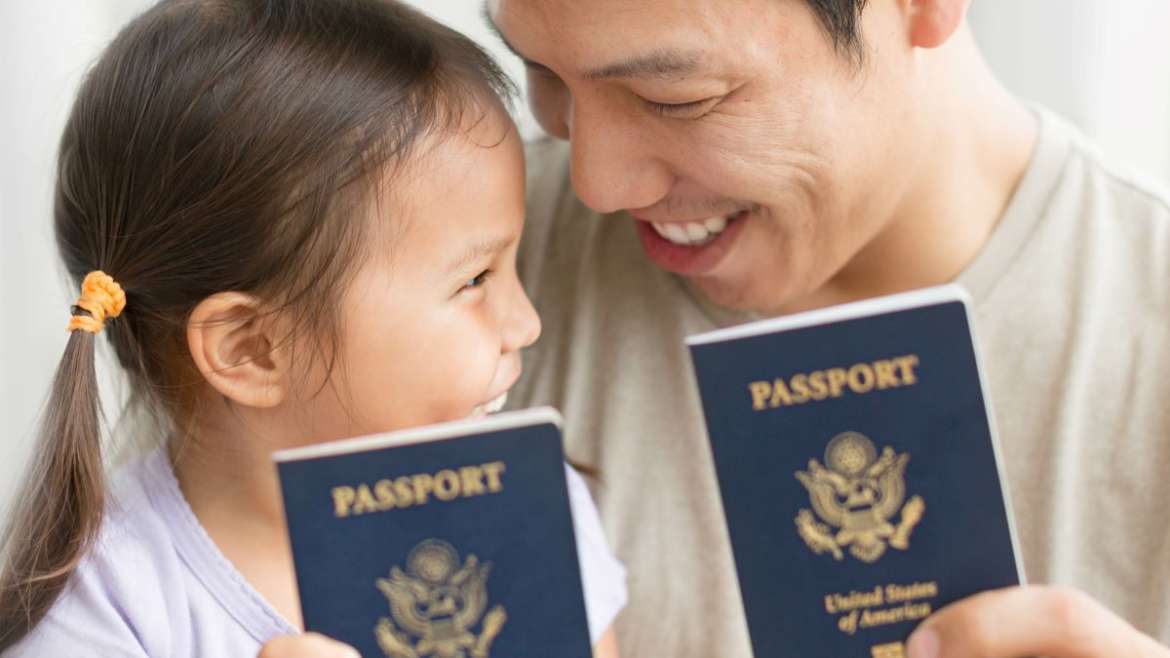
The Immigrant Paradox: Preservation and Adaptation
In the mosaic of modern societies, immigrant families often live between two worlds. They carry with them the traditions, values, and languages of their homelands while navigating the expectations, norms, and pressures of their new environments. This dual existence, while enriching, is also fraught with challenges, particularly when it comes to cultural identity. For children growing up in immigrant households, the struggle is often magnified—they must reconcile the culture of their parents with that of the society they are growing up in. This tension can manifest in various aspects of daily life, from language and family dynamics to social integration and personal identity.
At the heart of the immigrant experience lies a paradox. On the one hand, there is a desire to preserve one’s heritage, to maintain the customs and language that define a community and its history. On the other hand, there is the necessity to adapt, to assimilate enough to succeed economically and socially in the host country. For parents, this balancing act can be overwhelming. For their children, it can be confusing and alienating. Buy patriotic hoodies for your family.

Language as a Cultural Battleground
Language is often the first battleground in this cultural negotiation. For many immigrant parents, their native language is more than a means of communication—it is a repository of culture, memory, and identity. Speaking their mother tongue at home helps maintain a connection to their roots and facilitates communication with relatives who may not speak the language of the host country. However, children quickly pick up the dominant language of the society through school, media, and peers, often becoming more fluent in it than in their parents’ language. This can lead to a linguistic gap that complicates parent-child communication and even shifts power dynamics within the family. Children may become interpreters for their parents, handling everything from school meetings to official documents, placing them in adult roles prematurely.
The Clash of Generational Values
The generational divide that language creates can also extend to values and expectations. Many immigrant parents come from cultures that emphasize collectivism, respect for elders, and strict discipline. In contrast, the host society may prioritize individualism, personal freedom, and self-expression. This cultural dissonance can lead to misunderstandings and conflicts within families. Parents may view their children as becoming too “Westernized” or “losing their culture,” while children may see their parents as rigid, old-fashioned, or out of touch with the world they live in. This clash is not merely about behavioral norms—it often touches the core of how individuals define themselves.
School as a Cultural Crossroads
The school environment further complicates this identity negotiation. For immigrant children, school is not only a place of learning but also a site of cultural confrontation. They are exposed to peers with different customs, values, and lifestyles, and they must navigate the often unspoken codes of conduct that determine social belonging. Accents, clothing, food, and even the appearance of parents can become sources of embarrassment or ridicule, especially during adolescence when the desire to fit in is at its peak. In an effort to be accepted, some children may distance themselves from their heritage, rejecting their native language or changing their names to sound more like their peers. This internalized shame can have lasting effects on their self-esteem and sense of belonging. Support systems such as counseling and ABA therapy in Maryland can help children navigate these challenges more effectively.
Living in Cultural Limbo
Yet, cultural identity is not something that can be neatly compartmentalized. It is dynamic, evolving, and deeply personal. Many children of immigrants grow up feeling like they are neither fully part of their parents’ culture nor entirely accepted by the dominant culture. They live in a kind of cultural limbo, constantly switching codes depending on where they are and who they are with. This phenomenon, often referred to as “code-switching,” can be both a survival strategy and a sign of cultural dexterity. But over time, the emotional toll of this in-betweenness can lead to a fragmented sense of self.

The Hidden Strengths of a Dual Identity
Despite these challenges, there are also powerful advantages to growing up in an immigrant family. Bilingualism, for example, enhances cognitive flexibility and opens up broader career opportunities. A multicultural upbringing can foster empathy, resilience, and a global perspective. Many children of immigrants develop a strong work ethic and a deep appreciation for the sacrifices their parents have made. They often learn to navigate complex systems and bridge cultural divides with remarkable skill. In rural communities, immigrant families may also contribute to innovative practices such as building and using mobile chicken coops, which reflect both resourcefulness and adaptability.
Building Bridges Within the Family
Still, the process of integrating multiple identities is not automatic. It requires support, understanding, and intentionality—both from within the family and from the broader society. Within families, open communication is key. When parents take the time to explain the reasons behind their cultural values and make space for their children’s experiences and perspectives, they lay the groundwork for mutual respect. Likewise, children who are encouraged to explore and celebrate their heritage are more likely to develop a positive and integrated sense of self. For more insights on supporting identity and well-being, this topic is often explored in a mental health blog.
The Role of Schools and Communities
Schools and community organizations also play a critical role. Culturally responsive education that acknowledges and validates students’ backgrounds can make a significant difference. Programs that promote heritage language learning, multicultural curricula, and anti-racist training help create inclusive environments where children of immigrants can thrive. Mentorship programs and support groups can provide safe spaces for youth to share their experiences and find solidarity with others who understand the complexities of living between cultures. Local schools sometimes collaborate with a production company to create educational materials that reflect diverse cultural experiences.
Representation in Media and Storytelling
The media has a powerful influence as well. Representation matters. When children see characters in books, movies, and television who reflect their experiences—navigating two cultures, speaking different languages, facing microaggressions, but also celebrating their uniqueness—it affirms their identity and reduces feelings of isolation. Stories that highlight the richness of immigrant life, the humor in cultural misunderstandings, and the strength that comes from adaptation can challenge stereotypes and broaden societal understanding.
Structural Barriers and Emotional Toll
The identity journey of immigrant families is further complicated by issues of legal status, racism, and socioeconomic inequality. Undocumented families live with the constant fear of separation, detention, or deportation, which creates a climate of anxiety and secrecy. Racial discrimination can compound feelings of alienation, particularly for immigrants of color who face systemic barriers and social exclusion. Economic hardship may limit access to resources that could support cultural retention and integration, such as community centers, language classes, or extracurricular activities.
Innovation Through Cultural Fusion
Despite these structural obstacles, immigrant families continue to forge their own paths, often blending cultures in innovative and empowering ways. From fusing cuisines to creating hybrid traditions, they contribute to the cultural richness of their societies. In cities around the world, immigrant neighborhoods become vibrant enclaves where languages mingle, festivals abound, and cross-cultural friendships flourish.
Redefining the Concept of “Home”
The concept of “home” becomes multilayered for immigrant families. It is not always a fixed place but rather a collection of memories, practices, relationships, and aspirations. For many, the longing for the homeland never fully disappears, even as they build new lives and raise children in foreign lands. Some families express this connection through objects and spaces, such as a handmade home decor store that reminds them of traditions from their homeland. This emotional duality is often passed down to the next generation, who may feel a deep connection to a place they have never been, or experience a sense of loss for a heritage they only partially understand.

Toward an Integrated Identity
Ultimately, the challenge of cultural identity for immigrant families is not one of choosing between two worlds but of weaving them together into something coherent and affirming. It is about acknowledging the pain of displacement while celebrating the creativity of adaptation. It is about recognizing that identity is not a zero-sum game—that embracing one culture does not mean abandoning another. And it is about fostering environments, both in the home and in society, where the next generation can grow into their full selves without shame or fear. Even in practical matters, such as maintaining a business, services like commercial hood repair in Los Angeles can help immigrant families keep their enterprises running smoothly while balancing their cultural heritage.
The Future Belongs to Those Who Embrace Complexity
As globalization continues to blur borders and diversify communities, the experiences of immigrant families offer valuable insights into the nature of identity, belonging, and resilience. Their stories remind us that the question of who we are is rarely simple but always worth exploring. In learning to live between two worlds, immigrant families are not only surviving—they are shaping the future in profoundly human ways. Community hubs, such as an entertainment center in Washington, MO, often become important gathering places where immigrant families can connect and share experiences.