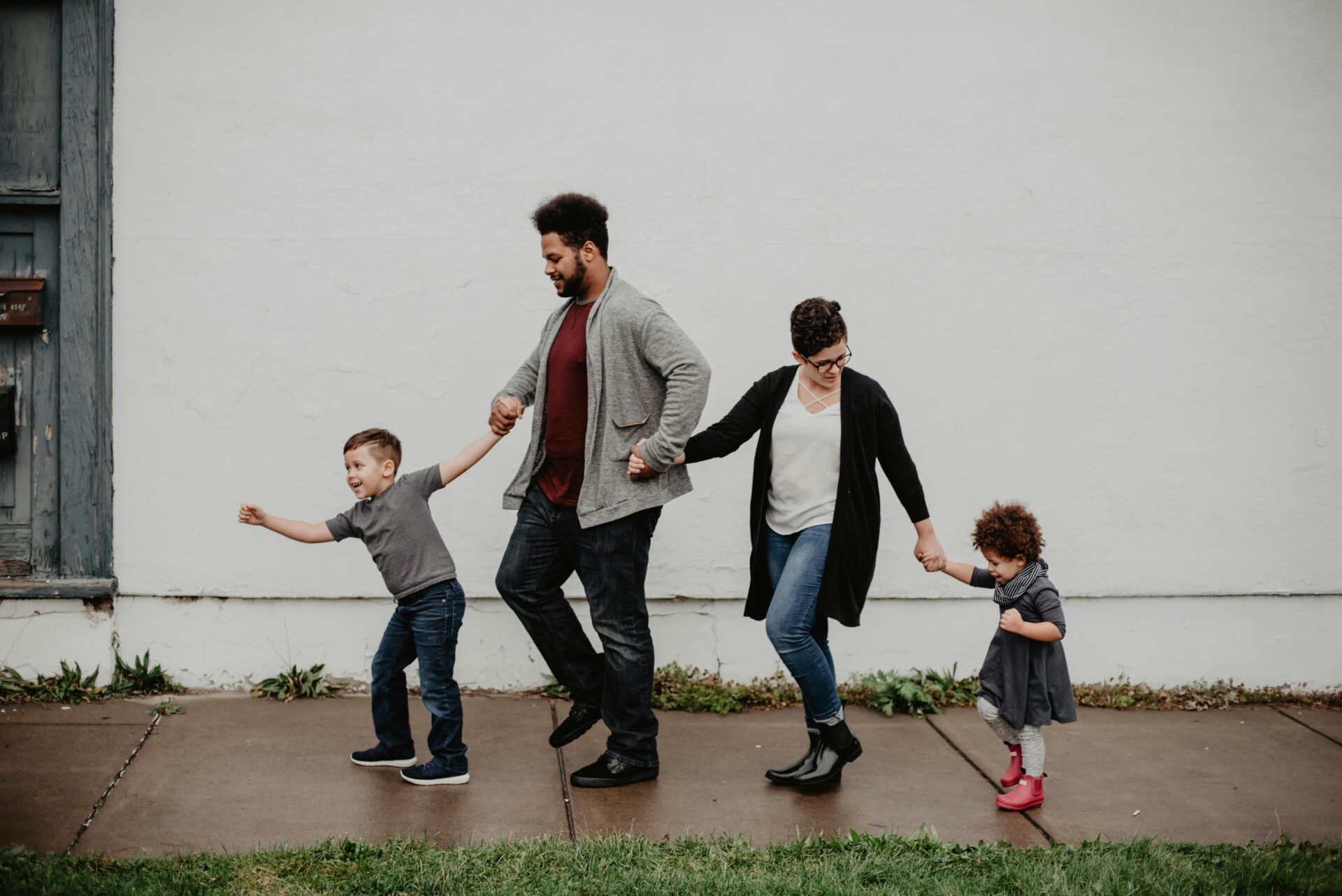
Blended families, once a relatively rare phenomenon, are now a common and evolving feature of modern society. In a world where divorce rates are high and societal norms around marriage and family structure are shifting, more and more families are finding themselves coming together through remarriage, cohabitation, or the merging of previously separate households. While the blending of families can offer rich opportunities for connection, growth, and mutual support, it also presents unique challenges that require careful navigation. This article will explore the complexities of blended families, examining both the challenges they face and the opportunities they provide for growth, cohesion, and positive family dynamics.
Defining Blended Families
At the core of the concept of a blended family is the idea of integration—bringing together children, parents, and sometimes extended family members from different previous relationships into a new family unit. This can happen through remarriage after divorce or the cohabitation of people with children from prior relationships. The primary defining feature of a blended family is that the family unit is made up of individuals who were not initially related by blood.
Blended families can vary significantly in structure. For instance, in one family, a mother and father may each bring children from previous marriages into a new relationship, while in another, one partner may have children from a previous relationship and the other may have no children of their own. While these families may seem complex on the surface, many people in blended families report positive experiences of new familial connections and growing relationships over time.
The increase in blended families is largely due to changing societal attitudes toward marriage, divorce, and cohabitation. The idea of a nuclear family—mom, dad, and biological children—has become less common, while alternative family structures like blended families are increasingly embraced. In fact, studies suggest that as many as one in three children in the United States will spend time in a blended family situation, and this trend is mirrored in many parts of the world.
Challenges of Blended Families
While blended families offer many opportunities for connection and growth, they also face distinct challenges. The process of integrating children from different backgrounds, managing complex emotional dynamics, and building new family bonds requires patience, understanding, and strong communication. Among the most common challenges faced by blended families are issues surrounding parenting roles, discipline, and family identity.
One of the most prominent challenges in a blended family is the establishment of new parental roles. Step-parents, for example, often find themselves in a difficult position. On the one hand, they want to build a relationship with their partner’s children, but on the other hand, they may face resistance, especially if the children are still attached to their biological parents or are not ready to accept a new adult figure in their lives. This tension can create confusion for both parents and children, especially when boundaries and expectations about roles are unclear.
In addition, disciplinary challenges are common. Biological parents often feel that they should be the primary disciplinarians of their children, but when a new partner comes into the picture, it can be difficult to navigate where the line is drawn regarding authority. Step-parents may find it hard to balance their desire to contribute to the child’s upbringing with the need to respect the authority and boundaries set by the biological parents. Additionally, children may struggle with the transition, as they may not view the step-parent as an authority figure or may resist being disciplined by someone they feel is not their true parent.
Another challenge comes with parenting styles. Different families often have different methods of handling common issues like bedtimes, chores, schoolwork, or screen time. When families come together, these contrasting approaches to everyday life can lead to tension and confusion. Step-siblings may also have varying comfort levels with each other, especially if they come from different cultural backgrounds or have different temperaments.
The concept of family identity can be another area of struggle. In a traditional nuclear family, the family identity is often clear, built around the parents’ values, routines, and history. However, in a blended family, the challenge lies in merging several pre-existing family cultures, values, and traditions into something cohesive. Children may feel torn between the family identity they had before the remarriage and the one they are being asked to adopt now. It can take years for a blended family to build a shared sense of belonging and unity.
Additionally, emotional baggage from previous relationships, including unresolved conflicts or loyalties to absent biological parents, can complicate the blending process. Children, particularly older ones, may feel resentment toward their new stepparent, especially if they have not had the chance to process the changes in their lives. Similarly, stepparents may struggle with their new roles if they are constantly reminded of the difficulties their partner experienced in previous relationships.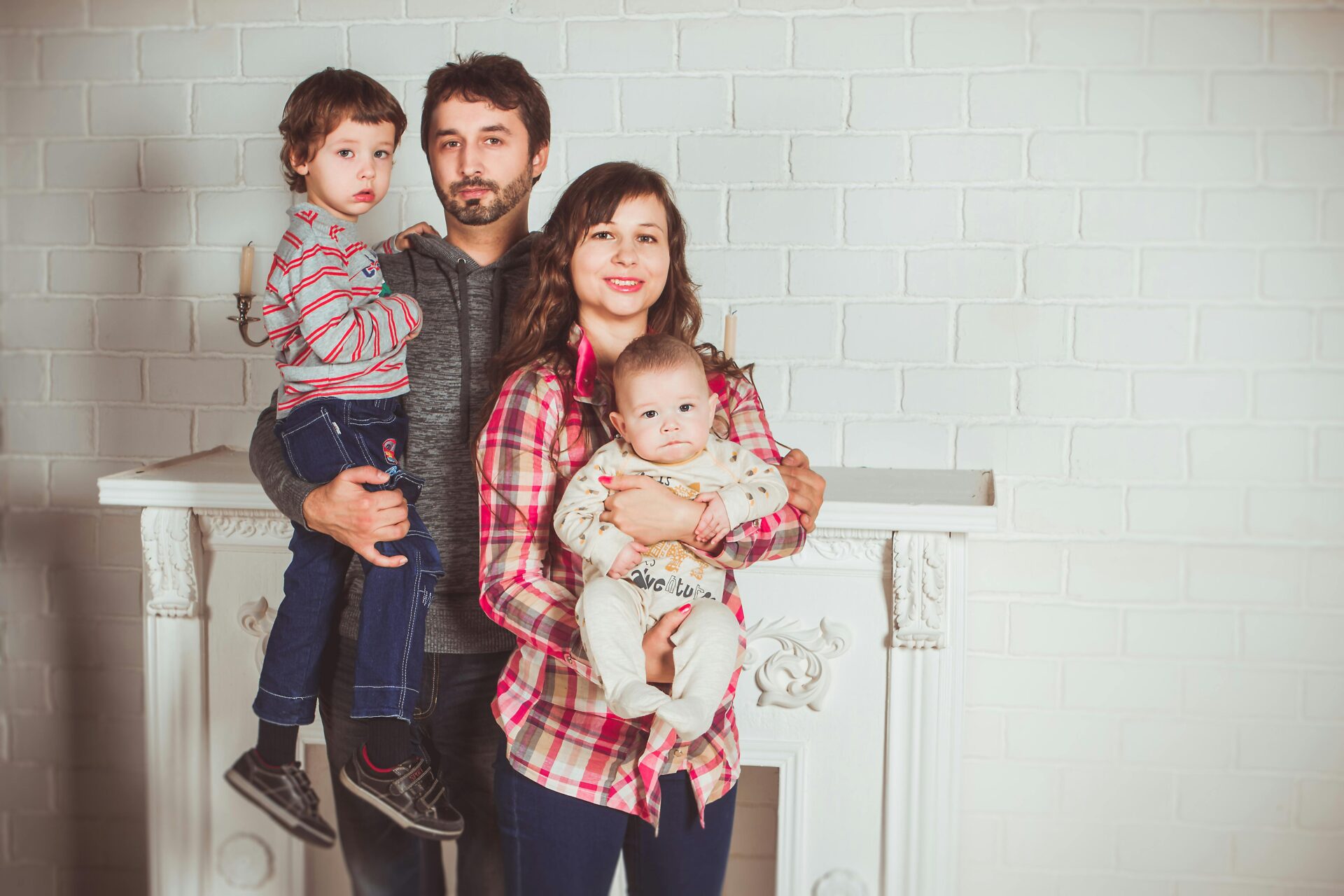
Opportunities for Growth and Enrichment
Despite these challenges, blended families also offer significant opportunities for growth, healing, and enrichment for all involved. One of the most significant advantages of blending families is the potential for expanded support systems. Children benefit from having multiple role models and caregivers who can provide different kinds of guidance, support, and mentorship. Step-parents can offer a fresh perspective on life, provide emotional support, and even contribute to a child’s development in ways their biological parent may not be able to.
The relationships formed in blended families can also enrich the lives of both children and adults. Step-siblings, for example, may come to view each other as brothers and sisters over time, creating an extended family network of support. These bonds can be especially strong in families where the adults model healthy, respectful relationships between each other. Communication and emotional intelligence are essential for creating these positive connections, and over time, step-siblings can develop deep, meaningful friendships.
Blended families also offer opportunities for personal growth and resilience. The experience of adapting to new family dynamics can help children and adults develop better coping skills, communication strategies, and emotional intelligence. For children, being part of a blended family can teach them important life lessons in adaptability and empathy. They may learn to navigate diverse relationships, appreciate different perspectives, and accept change in a healthy way.
Moreover, blended families can introduce new cultural influences and traditions. For instance, children may have the opportunity to learn about different customs, cuisines, and practices from their stepfamily’s background. The mixing of cultures can broaden children’s horizons and provide a more enriched upbringing. This diversity within families often mirrors the wider societal trend toward multiculturalism, enriching the children’s understanding of the world.
The presence of a co-parenting relationship between the biological parents and the stepparents also provides an opportunity for individuals to redefine family dynamics in a more flexible way. In a well-managed blended family, where the adults work together as a team, there can be a shared sense of responsibility for the well-being of the children. This positive collaboration fosters an environment where children feel safe and supported, even though their family structure is non-traditional.
Finally, healing is an important opportunity in blended families. For individuals who have gone through a divorce or experienced family breakdown, a blended family can provide a fresh start. Step-parents and children alike have the opportunity to heal from past hurts and develop new, healthier relationships. For children, having a positive relationship with a stepparent or step-sibling can help restore their sense of security and emotional well-being after experiencing the upheaval of divorce or parental separation.
Conclusion
Blended families represent a dynamic and increasingly common family structure in modern society. While the challenges of building relationships, managing diverse parenting styles, and overcoming emotional baggage can be substantial, blended families also offer remarkable opportunities for growth, support, and emotional development. The potential for expanded familial connections, personal growth, and the enrichment of children’s lives makes blended families a valuable feature of contemporary society.
As societal attitudes continue to evolve and the concept of what constitutes a family becomes increasingly flexible, the integration of different family members will likely become smoother. Blended families are not perfect, and they face unique challenges, but they also provide a space for new relationships to thrive and for individuals to experience love and care in varied and meaningful ways. Through effective communication, patience, and commitment, blended families can create lasting and fulfilling relationships that are every bit as valuable as those within traditional family structures.