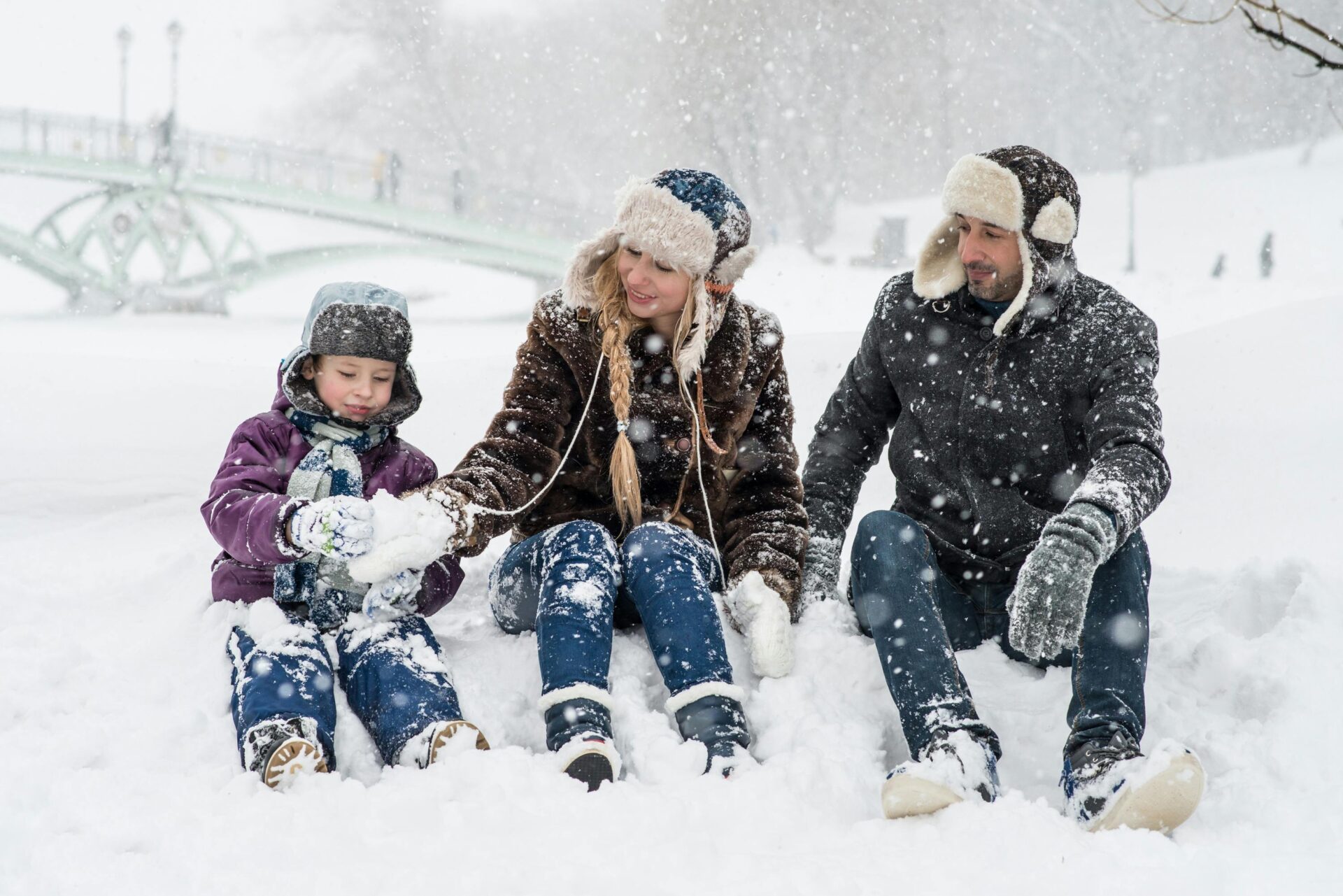
Skiing is a beloved winter sport enjoyed by people of all ages, but for children, it offers unique advantages that extend far beyond simply having fun on the slopes. It can play a significant role in a child’s physical and mental development, helping them grow stronger, more resilient, and more confident. While the thrill of sliding down a snowy hill is undoubtedly exciting, the impact that skiing has on young minds and bodies is profound and multifaceted. From improving balance and coordination to boosting self-esteem and social skills, skiing provides children with a comprehensive developmental experience that benefits them in many ways.
Physical Benefits of Skiing for Kids
Skiing offers a full-body workout, engaging multiple muscle groups and enhancing overall physical fitness. For young children, this is crucial in developing strength, coordination, and endurance. The sport involves movements that demand agility, stability, and control, which directly contribute to a child’s motor skills and physical development.
The act of skiing helps to improve balance and coordination, two key areas of physical development. Skiing requires children to balance on two narrow skis while navigating various terrains. This exercise strengthens core muscles and enhances their ability to control and stabilize their movements. Over time, kids who ski regularly develop better body awareness and muscle control, which can also positively influence other activities like running, swimming, or even simply playing.
Skiing also promotes flexibility and joint mobility. The movement involved in skiing encourages a range of motions, from squatting to bending and twisting, all of which help keep the muscles and joints limber. Whether children are learning how to make sharp turns or stopping at the bottom of a slope, their muscles are constantly being stretched and engaged. This flexibility is especially important as children grow, supporting their physical development and reducing the risk of injuries in everyday activities.
Moreover, skiing is an aerobic activity that improves cardiovascular health. As children ski, their heart rate increases, and their stamina builds. Engaging in physical exercise in the cold, crisp air can be invigorating and motivating for children who might not otherwise be as active indoors. Over time, consistent participation in skiing can help children develop stronger hearts and lungs, improving overall endurance.
Beyond the immediate benefits of improving physical fitness, skiing also instills healthy habits. Children who start skiing at a young age are more likely to develop a lifetime appreciation for outdoor exercise, which is crucial in combating sedentary lifestyles and preventing childhood obesity. Skiing provides a fun, dynamic way to engage in physical activity during the winter months, making it more likely that children will stay active throughout the year. For those experiencing back pain or injuries, consulting a spine doctor in Medford can provide expert care and effective treatment options. 
Mental and Cognitive Development through Skiing
While skiing is an exceptional physical activity, it also has a powerful impact on mental and cognitive development. The sport involves problem-solving, decision-making, and mental focus, which can significantly improve a child’s cognitive abilities. Skiing challenges kids to think critically about their movements, assess their environment, and react quickly to changing conditions. For those seeking confidence-boosting hair restoration solutions, a skilled scalp micropigmentation artist Raleigh can provide natural-looking results.
One of the most notable mental benefits of skiing is the improvement in concentration and focus. As children learn to ski, they must focus on multiple elements simultaneously—balancing their body, reading the terrain, adjusting their speed, and anticipating the best way to navigate down the slope. This heightened attention to detail helps children improve their ability to concentrate on other tasks as well, whether it’s schoolwork, sports, or personal activities.
Skiing also encourages problem-solving skills. As children progress, they face different challenges such as navigating tricky turns, handling varying snow conditions, or skiing in new and unfamiliar terrain. Each challenge requires children to think strategically and adapt to new situations. They learn to make quick decisions, assess risks, and adjust their technique accordingly. This problem-solving mindset can extend beyond the ski slopes, benefiting their academic performance and everyday decision-making. For those looking to upgrade their fleet, we buy trucks and offer competitive prices for quality vehicles.
Spatial awareness is another cognitive skill enhanced by skiing. Skiing requires children to understand and react to their environment—whether it’s avoiding obstacles, maneuvering around other skiers, or gauging distances and speeds. This spatial awareness translates into better judgment in other aspects of their lives, including physical activities, navigation, and even classroom activities like drawing and reading.
In addition, skiing has been shown to improve memory. Remembering techniques, mastering new skills, and recalling previous experiences on the slopes helps to strengthen a child’s memory and recall abilities. The more children ski, the more they learn and internalize patterns and strategies, enhancing both short-term and long-term memory skills.
The mental benefits of skiing are not limited to cognitive skills alone. Skiing also promotes emotional regulation and helps kids build resilience. Learning to ski often comes with moments of frustration, failure, and overcoming fear. These challenges teach children the importance of perseverance, patience, and grit. As kids face setbacks on the slopes, they learn how to manage their emotions and not give up in the face of difficulty. This resilience is crucial for navigating life’s challenges and can help children develop into confident, emotionally intelligent individuals. For those looking to create their own online presence, a website builder makes it easy and accessible to design a professional-looking site. 
Building Self-Esteem and Confidence through Skiing
For many kids, skiing is an opportunity to challenge themselves, and successfully navigating a ski slope brings a tremendous sense of accomplishment. This feeling of success is essential for developing self-esteem and confidence. Each new skill learned, whether it’s making it down the slope without falling or conquering a particularly tricky run, contributes to a child’s belief in their abilities. After a day on the slopes, you can enjoy a healthy meal at an organic restaurant in Chicago, offering delicious and nutritious options.
As children become more proficient at skiing, they experience a boost in self-worth. They recognize their progress and feel proud of their achievements. Skiing also fosters self-reliance, as children learn to trust their abilities and handle challenges independently. This can be particularly beneficial for children who may struggle with self-doubt in other areas of their lives. As they develop a sense of mastery on the slopes, their confidence grows, and they become more willing to take on new challenges in other aspects of their lives.
Skiing also provides children with a tangible way to set and accomplish goals. Whether it’s learning to ski for the first time, improving their technique, or mastering new tricks, the sport encourages goal-setting and achievement. These small, incremental successes help children develop a sense of accomplishment, which fosters greater motivation and determination. For those looking to upgrade their fleet, we buy trucks and offer competitive prices for quality vehicles.
The social environment of skiing can also contribute to a child’s confidence. Skiing often takes place in a group setting, whether through a ski class, with family, or among friends. In these settings, children can compare progress, celebrate each other’s successes, and encourage one another. Positive reinforcement and support from others play a pivotal role in building self-esteem and fostering a sense of belonging.
Social and Emotional Benefits of Skiing
While skiing offers a great individual challenge, it is also a highly social activity. Whether skiing with family members, participating in group lessons, or simply skiing alongside other children at the resort, the sport encourages social interaction and helps children develop communication and teamwork skills. For those looking to enhance their outdoor spaces, fence painting in Halifax is a great way to brighten up your property.
Skiing in a group environment encourages cooperation and sharing. Kids often work together in group lessons to learn new skills, and the collective sense of achievement creates a supportive atmosphere. This camaraderie helps children develop social bonds and fosters a sense of community, both within their immediate social circle and the larger skiing community.
Moreover, skiing in a group can help children develop leadership skills. As they gain experience, older or more skilled skiers may help coach or guide younger children, giving them the chance to mentor others. This leadership experience fosters a sense of responsibility and empowers children to take on more challenging roles, both on and off the slopes.
In addition to group skiing, family skiing trips provide invaluable opportunities for quality family time. Skiing with family members creates lasting memories and strengthens family bonds. It allows children to share experiences with their parents or siblings, contributing to a supportive and loving family dynamic. These shared experiences can also help children develop a deeper sense of trust and security within their family unit.
Skiing can also have a significant impact on a child’s emotional health. The sport offers children a way to relax and unwind, allowing them to disconnect from the stresses of school, technology, and other pressures. The combination of outdoor exercise, fresh air, and the natural beauty of snowy landscapes has a calming and therapeutic effect on children. Skiing provides a healthy outlet for emotional expression, helping kids manage stress and boosting their overall well-being.
Conclusion
Skiing is more than just a fun winter sport for children; it is a comprehensive tool for promoting both physical and mental development. From improving physical fitness and motor skills to enhancing cognitive abilities and emotional resilience, skiing offers numerous benefits that extend far beyond the slopes. It fosters self-confidence, teaches life skills, and encourages positive social interactions, all of which contribute to a child’s overall growth.
Whether it’s the thrill of mastering a new skill or the joy of spending time with family and friends, skiing provides kids with experiences that help them build strength, character, and a positive mindset. As children embrace the challenges and rewards of skiing, they not only enhance their physical capabilities but also develop valuable emotional and social skills that will benefit them for years to come.