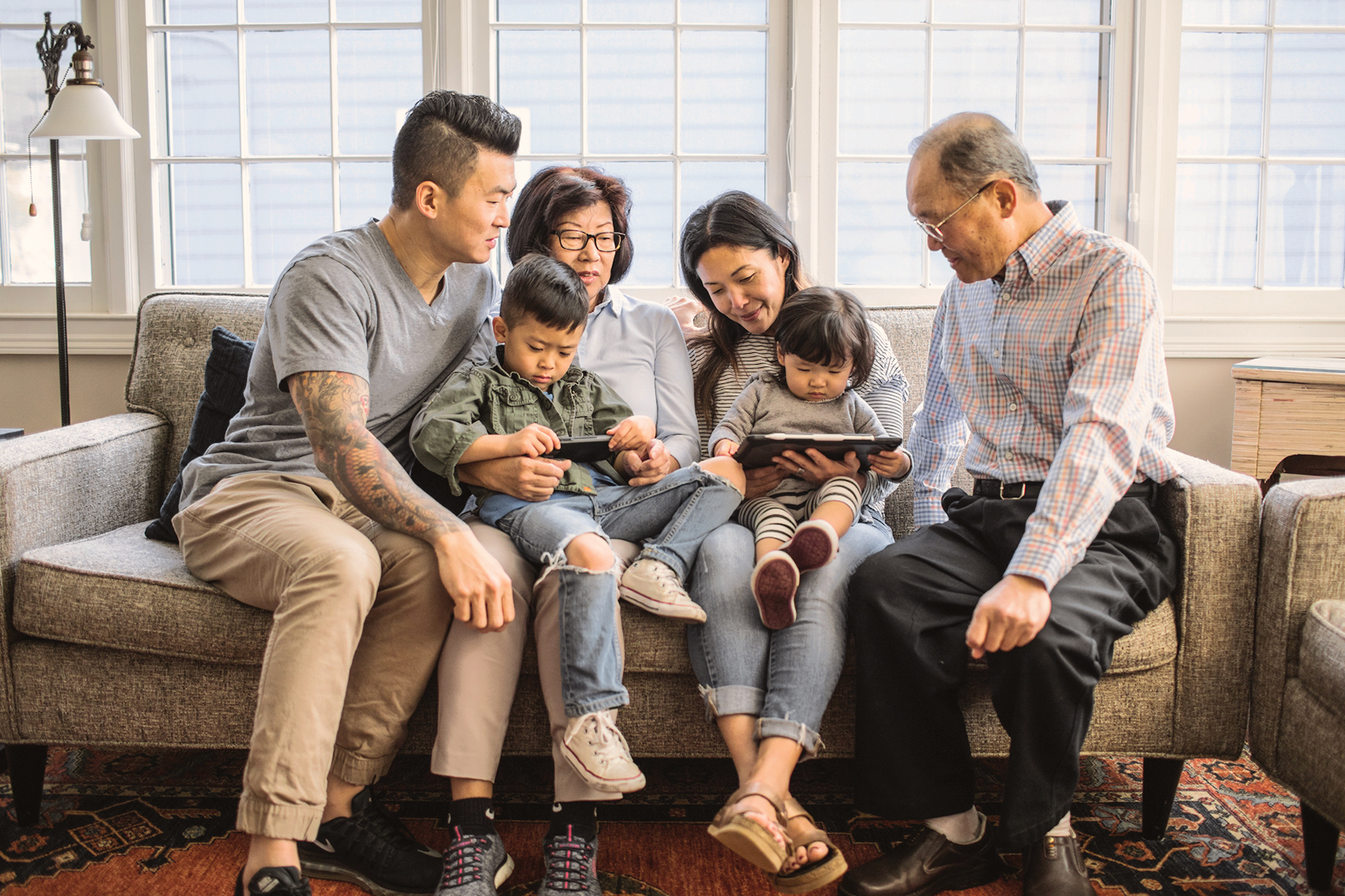
The Changing Shape of the Family
In the past, family life was built on shared values, traditions, and predictable hierarchies. Elders commanded respect, younger generations followed guidance, and roles within the household were clearly defined. Today, the structure of families has shifted dramatically. Globalization, technological advancement, and social transformation have redefined how people live, communicate, and think. While these changes have brought progress and independence, they have also created fault lines between generations—misunderstandings, resentment, and cultural clashes that test the resilience of family bonds.
Intergenerational conflict is not new, but in modern families, it takes on new shapes and meanings. It is not merely about the classic struggle between the young and the old; it’s about identity, belonging, and the tension between tradition and modernity. Understanding how and why these conflicts arise—and how they can be resolved—is essential to preserving the family as a space of connection rather than division.

The Roots of Intergenerational Conflict
Every generation is shaped by the world in which it grows up. Values, fears, and dreams are molded by history, technology, and culture. When generations coexist within the same family, these differences inevitably collide.
Older generations, such as Baby Boomers or Generation X, often emphasize stability, hard work, and respect for authority. They were raised in times when survival and social conformity were prized. Younger generations—Millennials and Gen Z—have grown up in a more fluid world, valuing individuality, self-expression, and flexibility. This divergence in worldview can lead to friction over lifestyle choices, careers, relationships, and even basic communication.
Technology amplifies these divides. While younger family members may see digital connectivity as an essential part of life, older ones may view it as shallow or even harmful. Parents and grandparents who grew up without social media might struggle to understand its significance in their children’s emotional and social worlds. At the same time, younger people may feel dismissed or misunderstood when their digital lives are trivialized.
Cultural shifts also contribute to tension. Topics like gender roles, sexuality, politics, and religion—once governed by social consensus—are now subject to individual interpretation. Families that once found unity in shared belief systems now face debates that can feel deeply personal. The very tools of progress—education, diversity, and global awareness—sometimes widen the gap between generations rather than bridge it
Communication Breakdown: When Words Fail
At the heart of many intergenerational conflicts lies a breakdown in communication. Families often mistake talking for understanding. Conversations between generations can quickly become battles of opinion rather than exchanges of empathy. Older members may interpret younger ones’ openness as disrespect or rebellion, while younger family members may see elders’ insistence on authority as control or dismissal.
Language itself evolves with each generation. Slang, humor, and tone all shift, sometimes making intergenerational conversations feel like translations between different cultures. Moreover, digital communication—texting, emojis, short-form messages—can strip away the nuance of emotion, leading to misinterpretation.
Yet, beyond the surface misunderstandings, lies something deeper: the fear of irrelevance. For many parents and grandparents, realizing that their advice, habits, or ways of thinking may no longer apply to modern life can be painful. For the young, feeling patronized or mistrusted can be equally frustrating. This emotional tug-of-war often turns small disagreements into symbolic battles about identity and respect.
The Weight of Expectations
Another dimension of intergenerational conflict comes from expectations—both explicit and unspoken. Parents want the best for their children, but “the best” is rarely defined in the same way across generations. For older generations, success might mean job stability, family life, and social status. For younger generations, it often means personal fulfillment, flexibility, and mental well-being.
This difference in priorities can cause resentment on both sides. Parents may see their children as ungrateful or unrealistic, while children may feel pressured to live out someone else’s dream. The result is often emotional distance disguised as politeness—a quiet detachment that erodes trust over time.
Even within the same family, migration, education, and changing gender norms can deepen these tensions. In immigrant families, for instance, younger generations may assimilate to the culture of their new country faster than their parents, creating identity struggles. In others, daughters may resist traditional roles while their parents hold on to long-standing expectations about marriage or caregiving.
At its core, intergenerational conflict often reflects the human struggle to balance loyalty with self-determination—to honor one’s roots while still growing in one’s own direction.

When Values Clash
The values gap between generations is one of the most challenging aspects to reconcile. Modern families are diverse, not just in age but in ideology. Topics once avoided at the dinner table—politics, gender identity, social justice—now dominate daily conversation, fueled by social media and global awareness.
For older generations, who may have grown up with clearer moral boundaries or slower social change, these rapid shifts can feel disorienting or even threatening. For younger ones, who see progress and inclusivity as moral imperatives, resistance from elders can feel like rejection or bigotry.
These conflicts often become more than personal disagreements—they become struggles over what kind of world the family represents. The home, once a sanctuary from social tension, becomes a microcosm of it. The challenge is not to erase these differences but to find ways to live with them, recognizing that love does not require agreement, and respect does not require conformity.
Healing Through Empathy
The first step toward overcoming intergenerational conflict is empathy—an often-overlooked skill in family life. Empathy requires slowing down, listening without planning a response, and recognizing that every opinion, even one we dislike, comes from a story.
For older generations, this means acknowledging that the world has changed and that adaptation does not equal betrayal. Letting go of rigid expectations allows space for curiosity about how younger people experience life. For younger generations, empathy involves understanding that the fears and concerns of their elders are rooted in care and experience, even if expressed clumsily.
Shared experiences—storytelling, family traditions, or simply spending time together—can rebuild empathy. When people share not just opinions but memories, laughter, and vulnerability, walls of misunderstanding begin to crumble
The Role of Forgiveness
Every generation carries its own scars. Parents carry the weight of their struggles, hoping their children will have an easier path. Children carry the weight of unmet expectations, seeking independence and validation. Between the two lies a silent burden—unspoken regrets, misunderstandings, and emotional distance.
Forgiveness is the bridge that allows families to move forward. It is not about erasing the past but about releasing the need to win old battles. Forgiveness means accepting that love and disappointment can coexist—that people can fail each other and still care deeply.
Many families find healing not through one grand conversation but through small, consistent acts of goodwill. A simple check-in, a shared meal, or an unexpected apology can shift the emotional balance. Over time, these gestures build new foundations of trust.
Modern Solutions for Modern Families
In an era where family structures are more fluid than ever, overcoming intergenerational conflict requires creativity. Family therapy, for example, has evolved beyond crisis intervention—it’s now a proactive tool for understanding generational patterns and communication styles.
Cultural competence also plays a key role. In multicultural families, learning about each other’s heritage and shared narratives can transform tension into pride. Similarly, intergenerational dialogue programs—often organized in schools or communities—help bridge understanding between age groups outside the family, creating models for empathy that can be brought home.
Technology, once blamed for division, can also become a bridge. Video calls connect distant relatives; social media allows families to share experiences across continents. The key lies in using technology consciously, not as a substitute for intimacy but as a tool for maintaining it.
The Power of Shared Growth
Perhaps the most profound insight about intergenerational relationships is that they are not fixed. Parents and children are not static roles—they evolve. A once-strict father may become gentle in old age; an impatient teenager may become an empathetic adult. When families embrace growth as a shared journey, conflict becomes a catalyst for understanding rather than alienation.
In this way, intergenerational conflict can actually strengthen family ties. It forces individuals to question assumptions, articulate values, and see one another as full, complex human beings. It reminds families that love is not simply inherited—it is built, negotiated, and renewed over time.

Conclusion: The Future of Family Harmony
The ties that strain are also the ties that bind. Conflict between generations is not a sign of family failure but of change—an inevitable tension between continuity and evolution. Modern families live in a world of unprecedented freedom, diversity, and speed, but they also face the challenge of keeping connection alive amid difference.
To overcome intergenerational conflict, families must learn to value dialogue over dominance, curiosity over certainty, and empathy over pride. By doing so, they transform disagreement into growth and misunderstanding into wisdom.